What Is a Medium Hard Wave Brush? Definition and Where It Fits
Medium Hard names a specific construction: boar and nylon bristles blended in one head. This page defines it, explains why the middle ground exists, and shows who it fits.
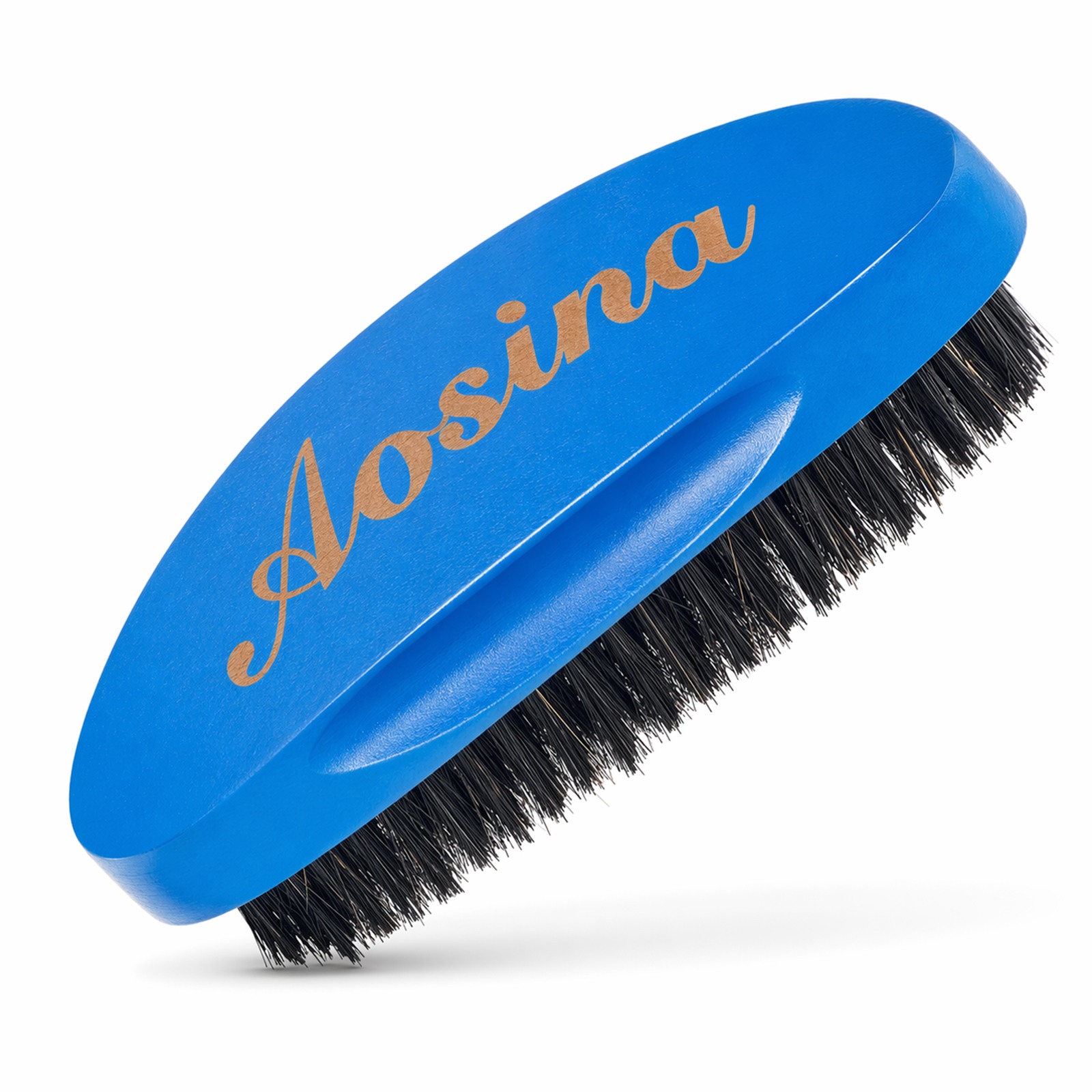
If you have shopped for a wave brush recently, you have probably seen the words Medium Hard on a listing and wondered what exactly they promise. It sounds like a hedge between two other labels, but it is actually the most precise phrase on the shelf: a medium hard wave brush is a specific construction, not a marketing mood. This page defines it plainly - what the bristles are made of, why the middle ground exists, where its boundaries sit against soft and hard brushes, and who it fits - so you can decide in a few minutes whether it is the right firmness for your hair right now.
The short definition
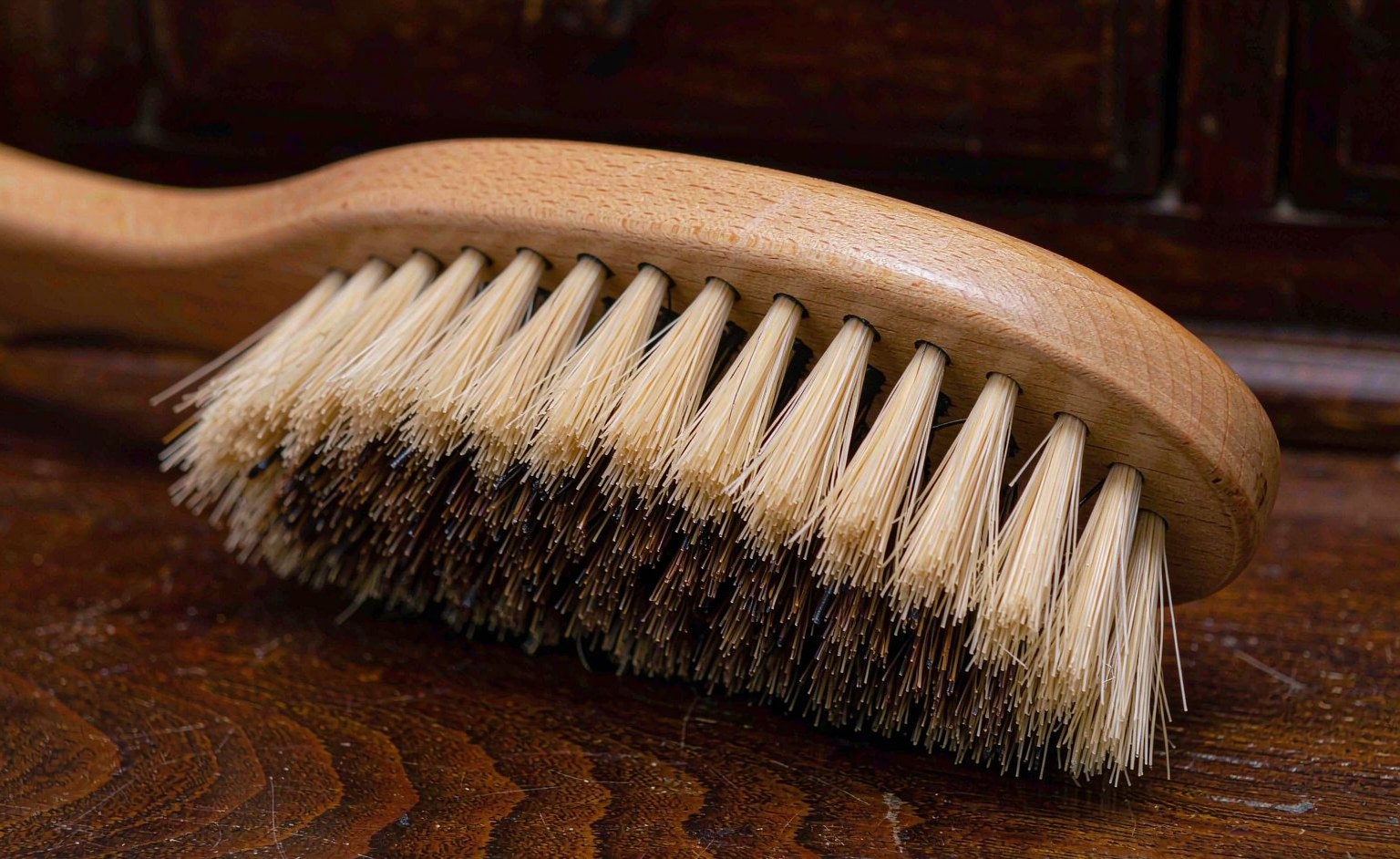
A medium hard wave brush uses a blend of two bristle materials in the same brush head: natural boar bristles and nylon bristles. The boar side gives the brush grip and helps spread your scalp's natural oils through your hair as you brush. The nylon side adds stiffness, so the bristles can reach down into denser or slightly longer hair instead of sliding across the surface. That combination is the entire definition. If a brush is 100% pure boar, it is a soft brush. If it is 100% nylon, it is a hard brush. Anything in between is a blend, and in the AOSINA lineup that blend is exactly what Medium Hard means.
| Brush | Bristle material | How a pass feels |
|---|---|---|
| Soft | 100% pure boar | Grips gently, glides close to the scalp, least penetration |
| Medium Hard | Boar and nylon blend | Grip plus extra stiffness, reaches into denser growth |
| Hard | 100% nylon | Maximum stiffness, deepest penetration, least give |
Seeing the bristles up close makes the idea obvious: one brush head, two materials doing two different jobs.
Why the middle ground exists
The two pure materials are both good at their jobs, and both limited. An all-boar soft brush is comfortable and spreads oil beautifully, but on thick, coarse, or fast-growing hair it can feel like it never quite catches: long passes, little visible change. An all-nylon hard brush digs in reliably, but on a fresh cut, a sensitive scalp, or short hair it can do more scraping than training.
Most people spend months in a length range where one pure material is slightly too much and the other is slightly too little. That gap is exactly what the blend fills. You keep enough boar to feel the brush working with your hair, and enough nylon to feel it working through your hair. It is not a compromise for people who cannot decide; it is the correct tool for a very common stage.
Where the boundaries sit: medium hard vs medium vs hard
First, the naming, because it trips people up: there is no industry standard for the word medium in wave brushes. A listing that only says medium, with no material mentioned, could be almost anything. Medium Hard is not a softer way of saying medium - it names a specific boar-and-nylon blend, and the name tells you the material. When you compare brushes, ignore the adjective and read the bristle description.
Against hard: a hard brush is 100% nylon, all stiffness and no boar, built for wolfing phases and very coarse growth. Against soft: a soft brush is 100% boar, all give, best for fresh cuts and finishing passes. Medium Hard sits between them in real stiffness, not just on paper. If you want the full side-by-side, the three-firmness comparison page lays out where each one earns its slot.
What a blend feels like in actual use
In hand, a blend gives you a two-stage sensation in every pass. The boar bristles contact first and spread oil along the hair surface; the stiffer nylon tips follow and pull through hair the boar alone would ride over. On short-to-medium lengths the result feels like a brush that catches your hair without needing much pressure behind it.
That last part matters more than it sounds. Because the nylon does the penetrating, you should not need to press the brush into your scalp to get contact. Pressure is a separate variable from firmness, and the most common way people irritate their scalp with a medium brush is treating the extra stiffness as an invitation to push harder. Let the bristles do the reaching; your hand only guides the pattern.
Who a medium hard brush fits best
- You are at a steady short cut with some length to train, roughly the stage where a soft brush alone stops feeling productive.
- Your hair is thick, coarse, or dense, and soft bristles slide over it instead of moving it.
- You want one main brush for daily sessions rather than managing a rotation.
- You are returning after a break: your hair has some length but your scalp is not ready for hard bristles yet.
In the AOSINA three-brush set, Medium Hard is the middle brush - the one that carries most of the daily work once your cut is past the first few days. If you are buying a single brush instead of a set, it is the firmness with the widest range of usefulness.
Buy the AOSINA Medium Hard Wave Brush on Amazon
See the AOSINA 3-Brush Wave Set on Amazon
When a medium hard brush is the wrong choice
It is not the answer at every stage, and pretending otherwise would cost you comfort and progress. In the first days after a fresh cut, when hair is shortest, a pure boar soft brush is usually the better tool: it lays hair down without fighting a tender scalp.
Deep into a wolf - several weeks of growth over coarse hair - the blend may stop catching. That is the signal to rotate a hard brush in, not to press the medium one harder. The wolfing brush guide covers the timing and the signals for that switch in detail.
And if your scalp is already sore, the fix is almost never a different brush. It is less time and lighter pressure. Firmness only changes which bristles are working; it does not cancel the friction you create by overdoing it.
Using a medium hard brush in your daily routine
A practical default: spend most of your brushing minutes on the medium hard brush, in your pattern direction, with light pressure and complete strokes rather than fast scrubbing. Keep the total session in the same range you would spend with any single brush - the brush does more work, so you do not have to.
If you own the full set, a simple split is most minutes on Medium Hard, a short focused stretch on the hard brush only during wolfing, and a light soft-brush finish at the end of the session.
For the material side of the story - why boar and nylon behave so differently and what each is good at - the boar versus nylon guide goes deeper:
Boar bristle vs nylon wave brush, explained
And when you are ready to compare firmness levels directly, start here:
Compare Soft, Medium Hard and Hard wave brushes
Related reading
CHOOSING A BRUSHBest Wave Brush for Coarse and Thick Hair: What Actually Makes Contact
Coarse and thick hair need contact at the root, not maximum stiffness. How to match firmness, row count and handle shape to coarse, dense hair - and why medium hard starts.
Read article →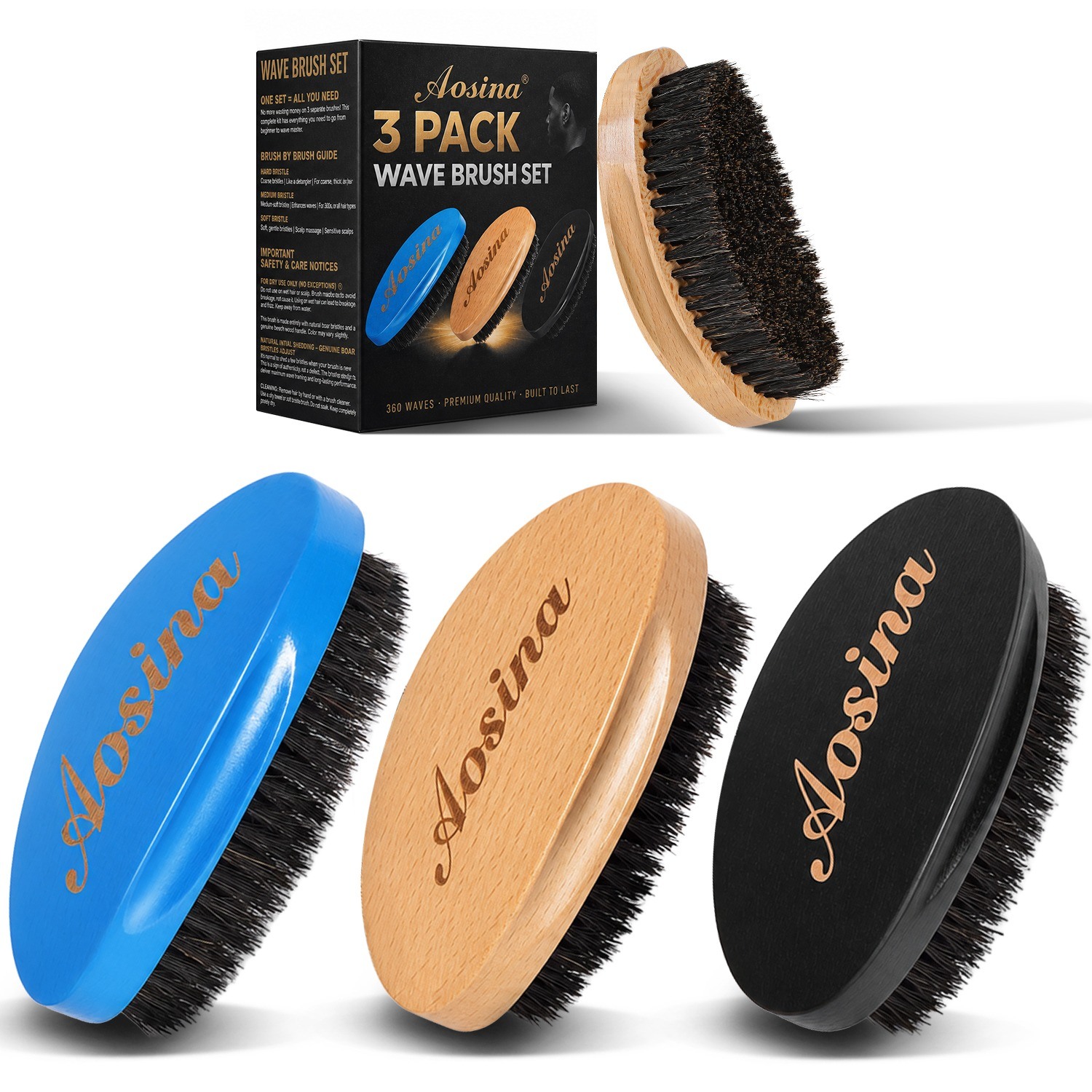 CHOOSING A BRUSH
Best Wave Brush: How to Choose One for Your Hair
Anyone selling you one “best” wave brush is skipping the only question that matters: what does your hair need right now? Here is how to answer it in three steps.
Read article →CHOOSING A BRUSHBest Wave Brush for Black Men: A Firmness Guide
"Best" depends on your hair length today, not on the brand on the handle. Here is how to match firmness to coarse, dense and tightly coiled hair — and what to buy first.
Read article →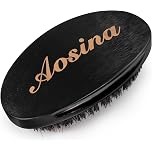 CHOOSING A BRUSH
Wave Brush Brands Compared: What Actually Differs
Most brand comparisons rank logos. What actually varies is bristle material, firmness consistency, handle shape and durability — so here is how to compare any two brushes yourself.
Read article →