Best Wave Brush for Coarse and Thick Hair: What Actually Makes Contact
Coarse and thick hair need contact at the root, not maximum stiffness. How to match firmness, row count and handle shape to coarse, dense hair - and why medium hard starts.
The short answer
For coarse or thick hair, the best wave brush is almost never the stiffest one on the shelf. It is the brush that actually reaches your roots, moves the strand, and lets it lie back down without you leaning your body weight into it. For most people with coarse or dense hair past the fresh-cut stage, that brush is a medium hard - and the rest of this page explains why, based on what coarse and thick hair physically do rather than on marketing labels.
If you want the general three-factor framework first (length, density, and stage), the main wave brush choosing guide covers it. If you want a people-focused overview with cultural context, the firmness guide for black men covers that angle. This page stays on one question: what does coarse, thick hair demand from a brush, and which tool answers it.
Best Wave Brush: How to Choose One for Your Hair
Best Wave Brush for Black Men: A Firmness Guide
Coarse and thick are two different problems
Coarse describes strand diameter: each individual hair is thicker than average. Thick describes how much hair you have on your head: density and volume. You can be coarse with relatively thin hair, or fine-haired but very dense. Brush-wise the two traits cause different problems, so it is worth separating them before you shop.
Coarse strands are stiff. They resist being bent into a new direction, which means they need more pull per stroke to train - but once a coarse strand takes a direction, it holds it well. That is the trade built into your hair: harder to train, better at keeping what it learned.
Thick (dense) hair creates a different problem: layers. When a lot of hair sits on top of more hair, a brush that only works the surface leaves the hair underneath untouched - and the underneath is exactly where waves start, at the root. You can brush the top layer all day and the roots below it never get the message.
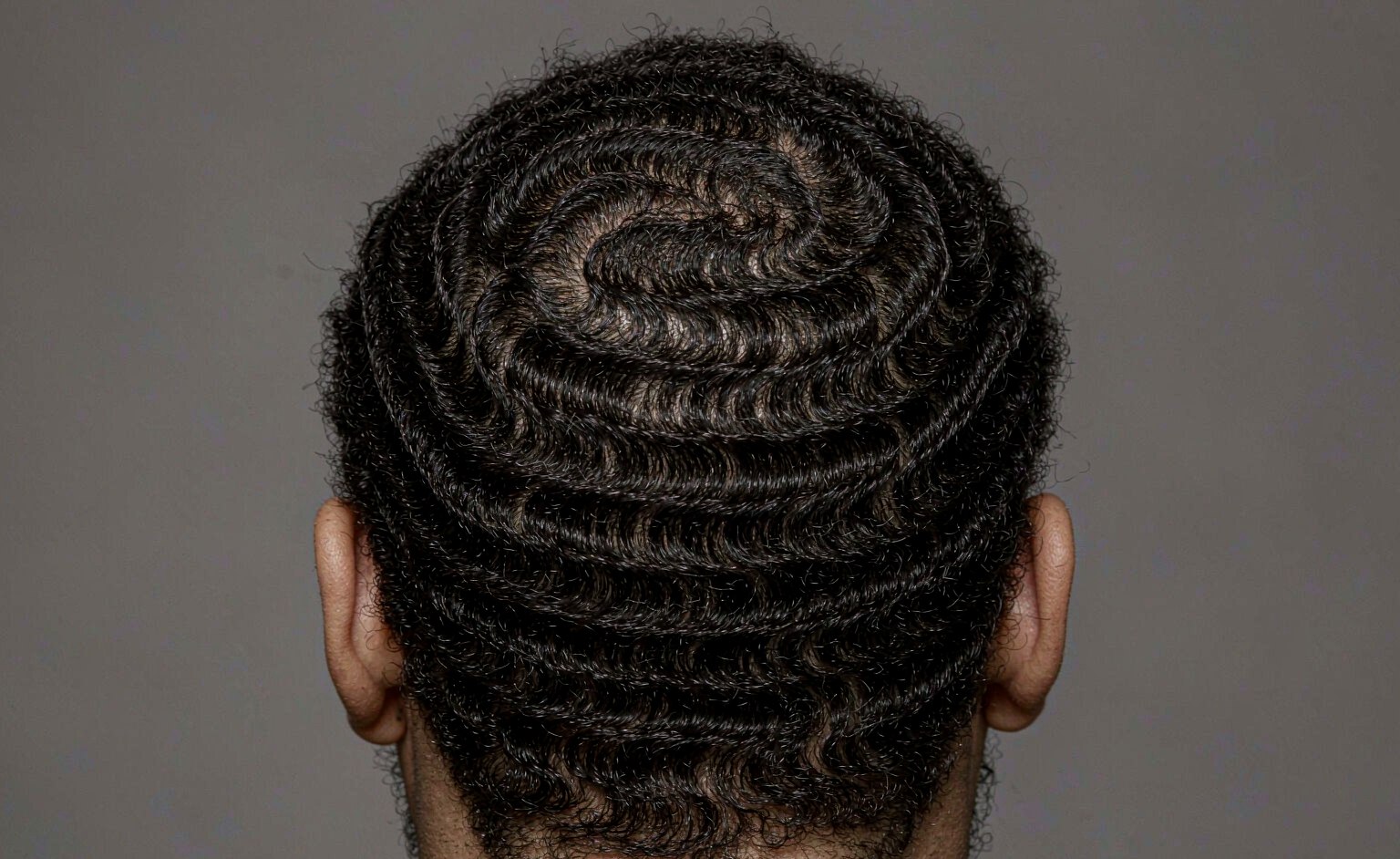
One more distinction people mix up: thick hair is not automatically coarse hair. Very coily hair can be dense but fine per strand, which is why two people with the same haircut can need different brushes. When in doubt, judge by strand behavior during brushing, not by how full your head looks in photos.
This is also why the question "should I just buy the hardest brush" usually gets the wrong answer. Extra stiffness helps with one of these problems and can quietly make the other worse.
What coarse, thick hair demands from a brush
Three physical facts drive everything else:
- **Coarse strands spring back.** Bend one and it pushes toward straight again. Your brush has to deliver enough pull per stroke to actually relocate the strand, and then compression from your durag holds it there while the set forms.
- **Dense hair stacks in layers.** The brush has to get through the top layer to touch the roots below it. Bristles that are too soft or too short glide over the surface and call it a session.
- **More hair means more total work.** A dense head simply has more root area to train. Sessions run longer, which makes comfort and leverage real requirements, not luxuries.
Translate that into brush language and you get three requirements: penetration (bristles firm and long enough to reach root-level hair), feedback (you can feel whether you are moving the hair at the scalp or just polishing the top), and control (enough resistance in the bristles that every stroke is deliberate instead of skidding).
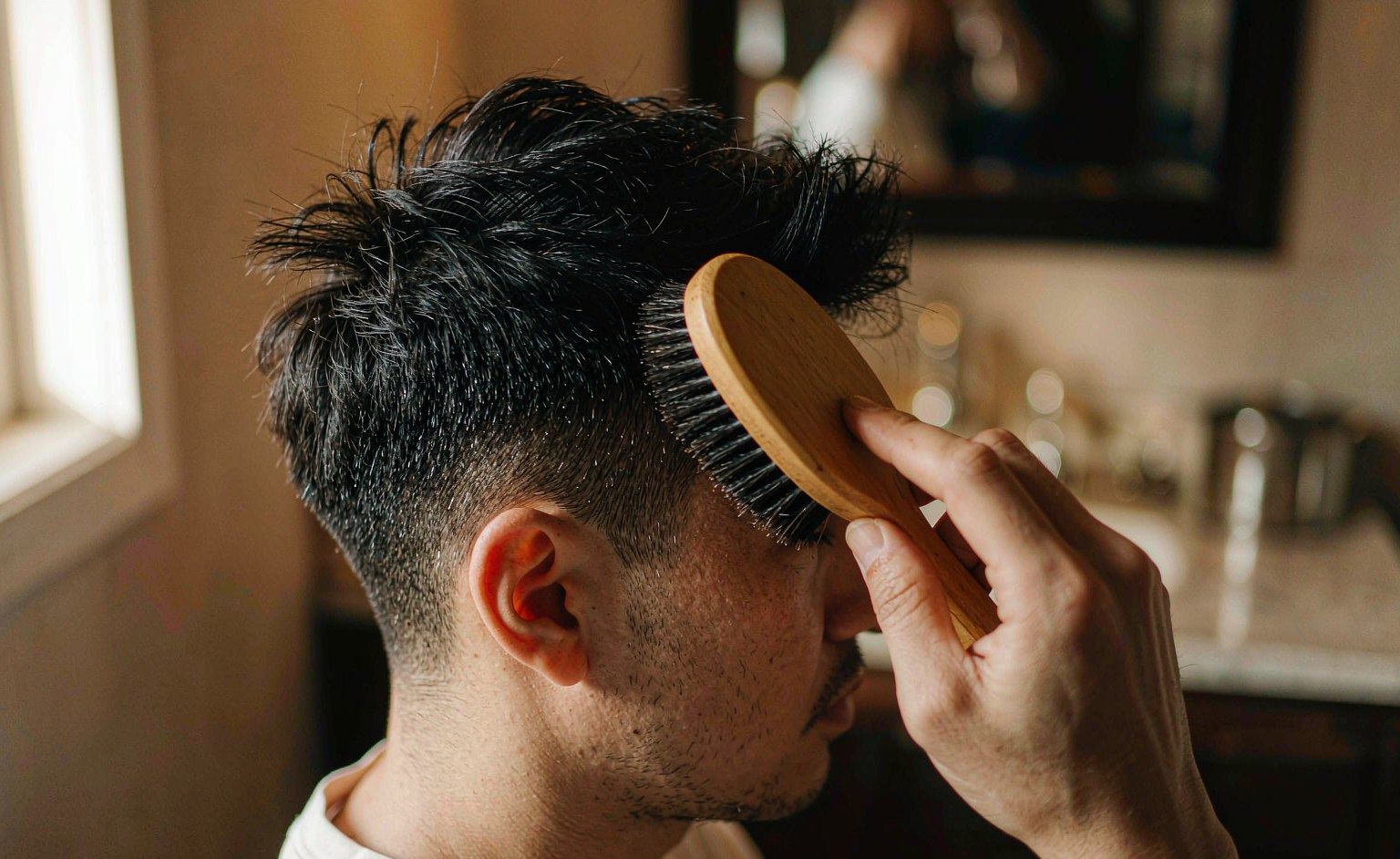
There is a simple self-test for contact. Brush one section slowly and watch what the hair does. If it springs straight back up with no change in direction, the brush is not reaching - you are brushing the layer above your roots. If you have to press hard to feel anything at all, the brush is too soft for your current length, or your hair has outgrown it. Either way the fix is a firmness decision, not more pressure.
Firmness: why medium hard starts, and when hard earns its place
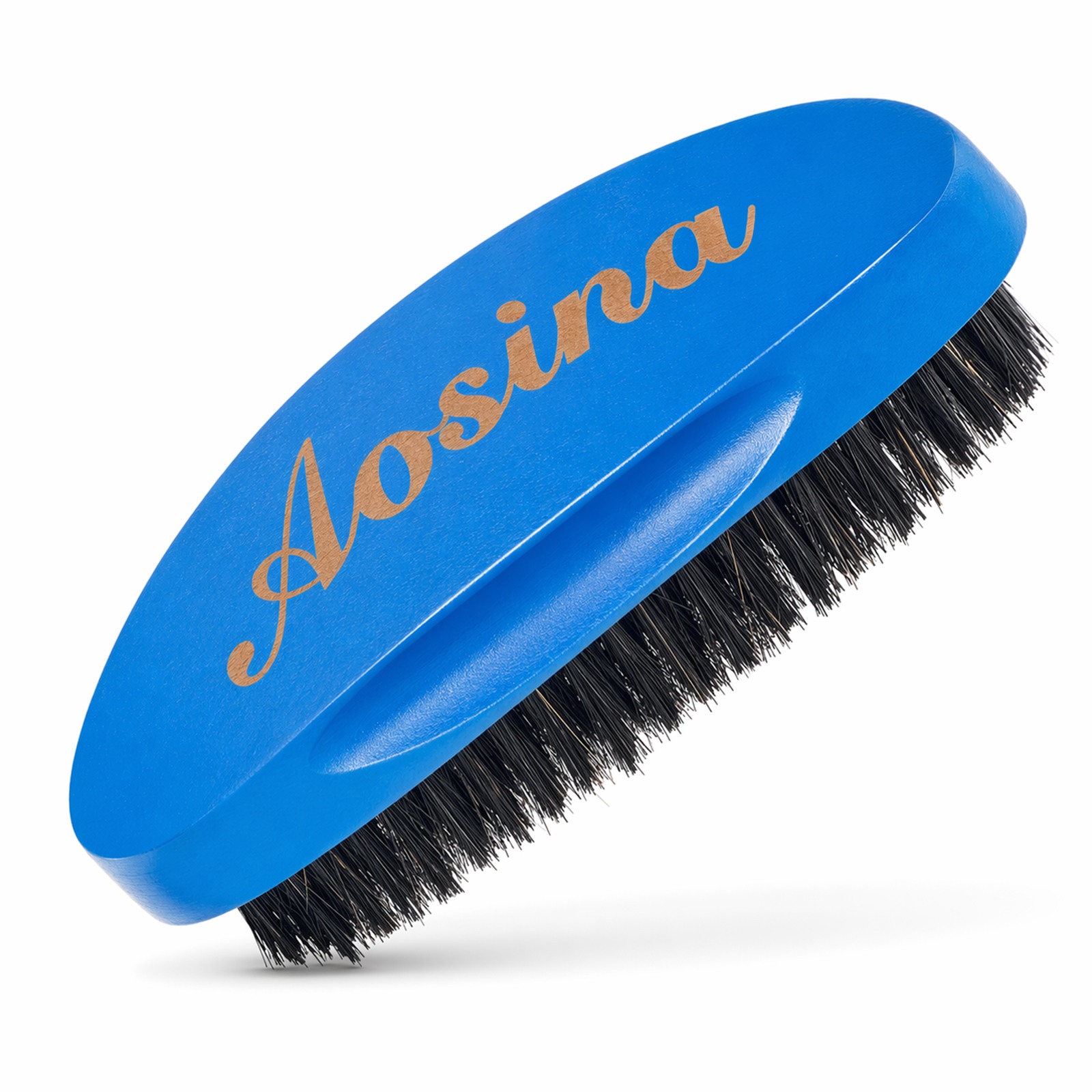
For most coarse and thick hair that has grown past a fresh cut, medium hard is the working brush. On AOSINA brushes that means a boar and nylon blend: the boar side gives grip and carries your natural oils down the strand, and the nylon side adds push, so the bristles get through density instead of stalling at the surface. It is the combination that matches how coarse, dense hair behaves - grip to move stiff strands, push to reach through them.
AOSINA Medium Hard Wave Brush (boar and nylon blend) on Amazon
A soft brush still has real jobs with this hair type. Soft is 100% pure boar bristle: it is the comfortable choice in the first days after a cut, when a firmer brush cannot make gentle contact; the right tool when your scalp is irritated; and the standard finishing pass to lay the surface down after heavier work. What it cannot do on dense, longer hair is reach the roots - that is a physics limitation, not a quality problem.
Hard is 100% nylon on our brushes, and it earns its place in specific situations: hair long enough that medium hard stops making root contact even with correct technique, very dense growth during a long stretch between cuts, or deliberate heavier passes once the hair is trained. Be honest about the trade: hard raises your contact ceiling and lowers your margin for sloppy pressure. On coarse hair, stiff bristles plus impatience is the classic recipe for friction damage - irritation, breakage, and frizz that will not settle.
If you are unsure which side of that line you are on, default down, not up. You can move up a firmness next month; recovering from an irritated scalp takes longer than the experiment saves.
And to say it plainly: a harder brush will not make waves appear faster. Waves come from repetition - thousands of correct strokes training direction - plus compression while you sleep. Hardness only decides whether the stroke reaches the root. If medium hard is reaching, a harder brush adds risk, not speed.
Row count and handle shape for dense hair
Firmness decides whether the bristles reach; row count and handle shape decide how that reach is distributed. More rows spread the same stroke across more bristle columns, which suits dense hair: contact covers a wider surface and pressure per spot stays moderate. Fewer rows concentrate the work on a smaller patch, which suits short hair and detail spots better than a thick head of hair.
7-Row vs 9-Row Wave Brush: Which One Fits Your Head and Hair
Rows and firmness also interact. A soft brush with many rows can outperform a stiff brush with few on dense hair, because total contact does part of the work that stiffness would otherwise have to do. This is why comparing brushes on one spec alone usually misleads.
Handle shape is the other half of leverage. A palm brush puts your hand directly on the brush body, so pressure feedback is immediate and exact - many people with coarse hair prefer this for control. A long handle gives you a longer lever and lets the weight of your arm do more of the work across big, dense sections, which matters once sessions get long. Neither shape is universally better; with thick hair the honest question is which one keeps your strokes consistent for ten more minutes.
Palm vs. Long-Handle Wave Brushes: Which Shape Fits Your Routine?
Three mistakes to avoid
Mistake 1: pressing harder instead of checking contact. If a brush only "works" when you lean into it, the brush and your hair length are mismatched - pressure is not penetration. Force pushed through stiff strands is how scalps get sore and hairs get broken, and it does not reach the roots any better than a light pass with the right firmness.
Mistake 2: judging your hair by the mirror instead of by behavior. Hair can look thick and still behave fine, or look thin and be extremely dense. The behavioral test is what matters: does the hair hold the direction you brushed it after an hour? Do the roots underneath move when you work a section, or only the top layer? Shop from behavior, not appearance.
Mistake 3: buying all three brushes before you know your length pattern. If you keep your hair short and cut every two to three weeks, one working brush plus a soft may be all you ever need. A three-brush set makes sense when your hair cycles through more than one firmness level between cuts - then the set saves you from shopping mid-cycle and lets you feel the differences yourself.
AOSINA 3-Brush Wave Set (Soft, Medium Hard and Hard) on Amazon
Do You Need a Wave Brush Set? When Different Firmness Levels Help
Do I need a hard brush for coarse hair?
Not to start. Coarse hair needs pull, and a medium hard blend supplies it for most lengths. Hard becomes worth considering when your hair is long and dense enough that medium hard stops reaching the root without you leaning into the stroke. Until that point, harder mostly adds friction.
Why does my brush feel like it slides over the top of my hair?
Usually one of three reasons: the bristles are too soft for your current length and density, there is enough product buildup acting as a lubricant, or your hair has outgrown the brush and the roots are simply out of reach. Rule out buildup first, then run the contact test from earlier in this page - if the hair at the scalp is not moving, it is a firmness problem.
Is thick, coarse hair slower to get waves?
Often, yes, in the early weeks. Coarse strands resist bending and dense hair takes longer to train through every layer, so the same calendar time produces less visible pattern than it would on finer hair. The flip side is that coarse hair holds a trained direction well once it takes one. Judge progress by observable signs - forks closing, the surface evening out, sections holding direction - rather than by comparing your week three to someone else's. Individual timelines genuinely differ, and no brush changes that.
Related reading
CHOOSING A BRUSHWhat Is a Medium Hard Wave Brush? Definition and Where It Fits
Medium Hard names a specific construction: boar and nylon bristles blended in one head. This page defines it, explains why the middle ground exists, and shows who it fits.
Read article →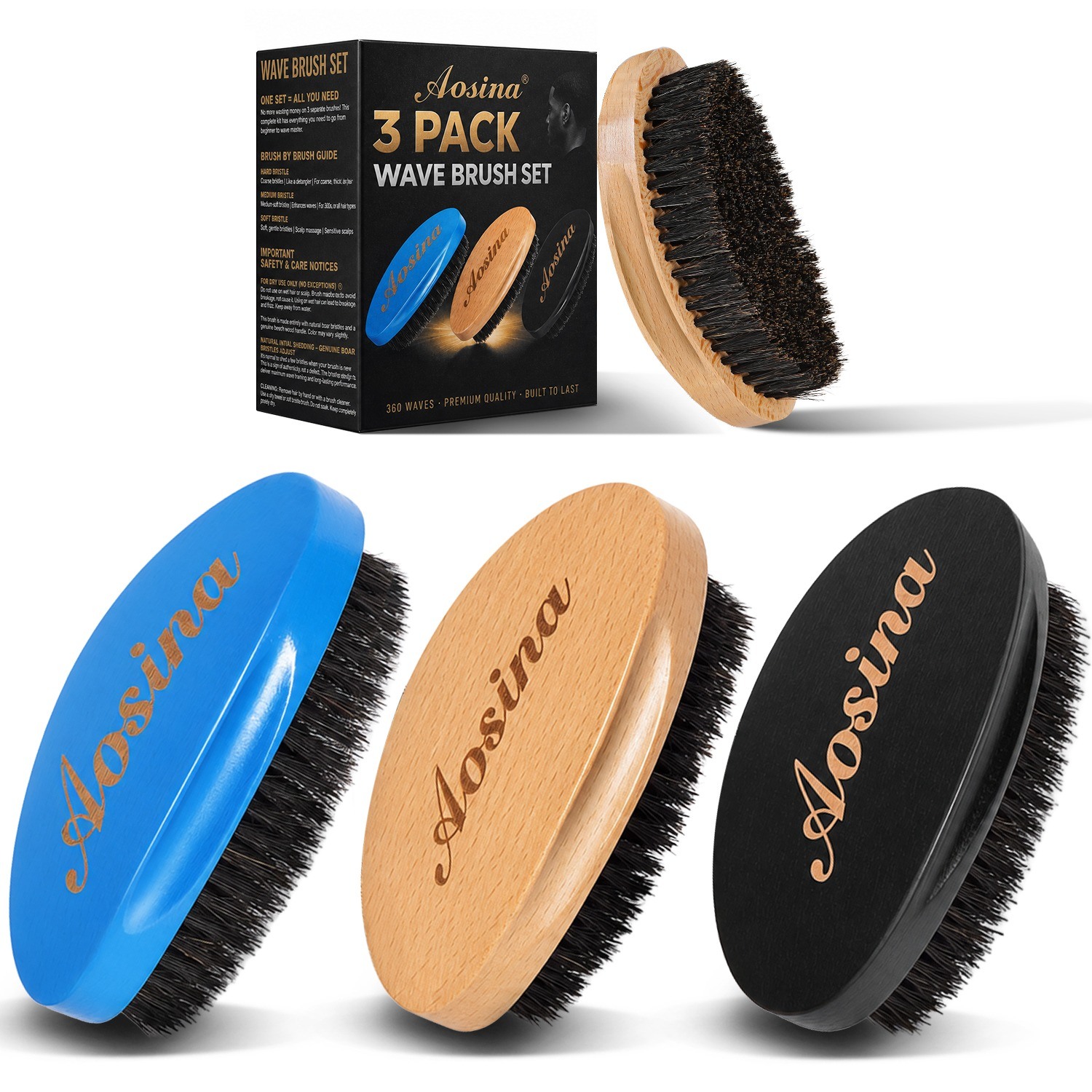 CHOOSING A BRUSH
Best Wave Brush: How to Choose One for Your Hair
Anyone selling you one “best” wave brush is skipping the only question that matters: what does your hair need right now? Here is how to answer it in three steps.
Read article →CHOOSING A BRUSHBest Wave Brush for Black Men: A Firmness Guide
"Best" depends on your hair length today, not on the brand on the handle. Here is how to match firmness to coarse, dense and tightly coiled hair — and what to buy first.
Read article →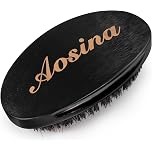 CHOOSING A BRUSH
Wave Brush Brands Compared: What Actually Differs
Most brand comparisons rank logos. What actually varies is bristle material, firmness consistency, handle shape and durability — so here is how to compare any two brushes yourself.
Read article →