Why Do My Waves Look Frizzy After Brushing?
Waves looking puffy after a brush session? Check pressure, firmness, direction and finishing before changing your whole routine.
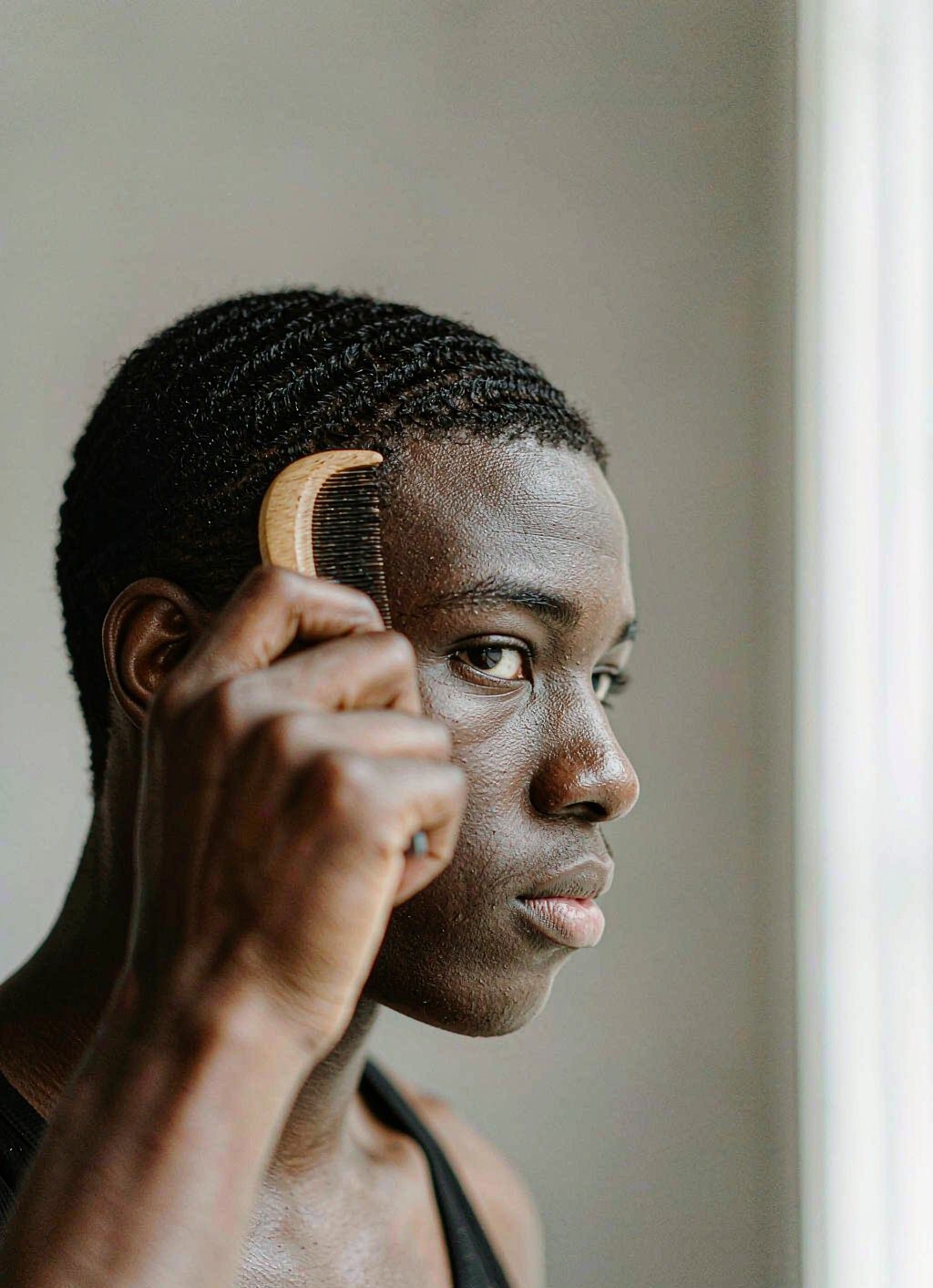
Brushing and finishing are different steps
Your hair can look smoother when you first remove a durag than it does midway through a brushing session. Brushing may separate and lift hairs that were lying together. That appearance alone does not prove that you have erased your progress.
Before reaching for a harder brush or more pomade, compare your hair at the same point in your routine. A midway brushing photo and a finished, compressed style are not equivalent comparisons.
Check four things first
Pressure: Let the bristles do the work. Repeated forceful strokes can make the session less comfortable without giving you better direction.
Firmness: A brush that suited a longer wolf may feel excessive after a cut. Choose according to the hair you have now.
Direction: Use a mirror for the sides and back. Small changes in wrist angle can turn an orderly session into brushing the same area in conflicting directions.
Product: Adding more product every time hair looks puffy can leave you uncertain whether the problem is styling or residue. Follow product directions and change one part of the routine at a time.
Is the brush itself part of the problem?
Firmness is worth checking before you blame your technique. A brush that is too soft for the hair you have right now can glide over the surface without moving much. The pattern underneath stays where it is, and the loose top layer is what you see in the mirror as frizz.
The opposite mistake is just as common: staying on the firm brush that matched week six of a wolf, then using it the same way after a fresh cut. Shorter hair has less weight to hold a firm pass down, so the same pressure that worked before can now lift the very surface you are trying to lay.
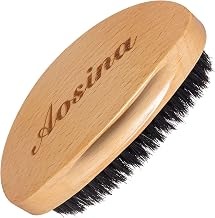
This is where the middle firmness earns its name. Our Medium Hard is a boar and nylon blend: boar bristles give the grip that lays the surface down, nylon adds stiffness so the brush does not collapse on denser hair. Our Hard is 100% nylon and is meant for longer, denser growth during a wolf. Our Soft is 100% pure boar and works best as the light finishing pass rather than the main work of the session.
See the AOSINA Medium Hard Wave Brush on Amazon
Compare soft, medium hard and hard wave brushes in one guide
You do not need to buy anything to test the firmness question, though. If you own two brushes, end your next session with the softer one and compare the surface after your usual finishing step. If you own one brush, cut your pressure roughly in half for a week and keep simple notes on what changes.
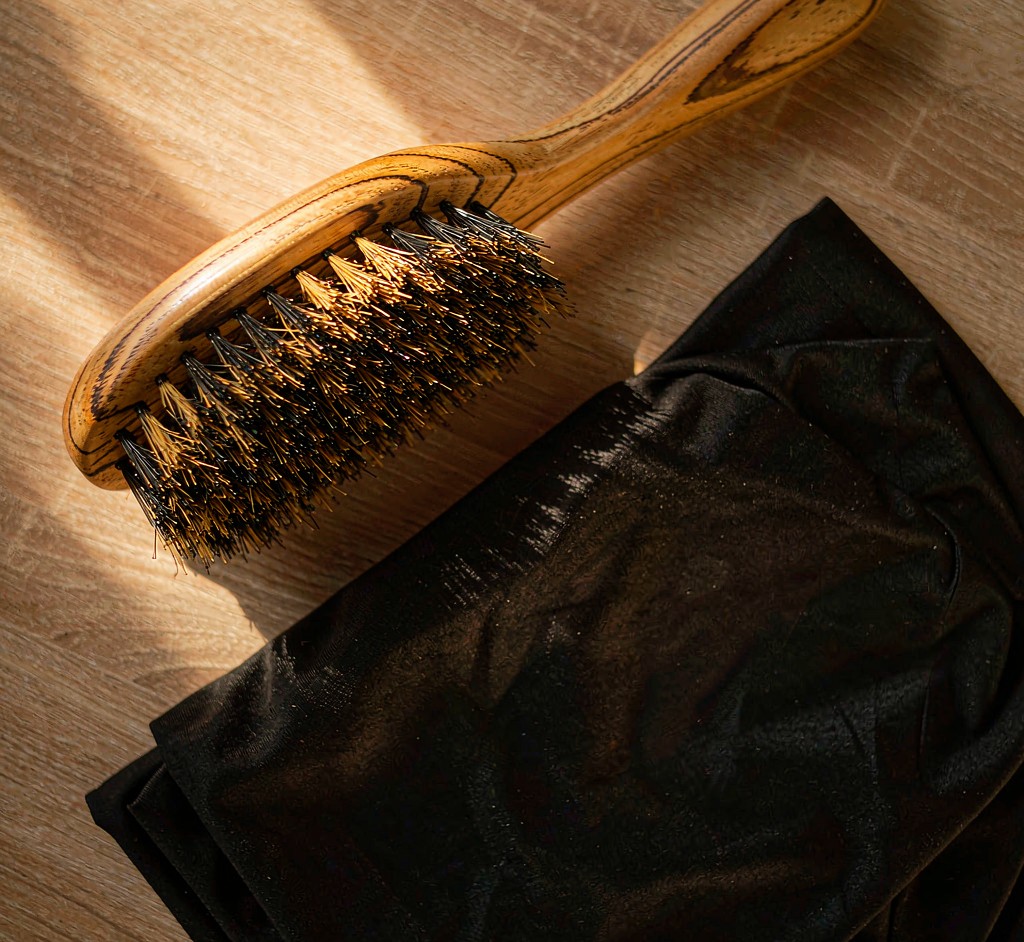
Try a clearer finishing routine
Complete the main brushing step, then make gentle passes with a softer brush in the same pattern. If you use a durag, keep it smooth and comfortably fitted. Judge the result after your normal finishing process rather than immediately after the firmer brush.
For that lighter finishing step, consider the AOSINA Soft Wave Brush. It is a tool option, not a guaranteed fix for every cause of frizz.
Buy AOSINA Soft Wave Brush on Amazon
Damp hair, dry hair, and the stage in between
Hair behaves differently depending on how much water it is holding, and brushing does too. Soaking wet hair is elastic and tends to clump instead of lying flat, so heavy passes on dripping hair often end in a puffy result rather than a compressed one.
A routine that many people land on: do the main passes when the hair is damp after towel drying, let it dry, then finish with light dry passes in the same direction. If you compress with a durag, put it on after the damp pass has had time to air dry, and keep it smooth rather than tight and wrinkled.
Track what actually changes
Take weekly photos in the same light and from the same angles. Note your haircut, main brush and finishing method. If lighter pressure helps, keep it; if a new product adds residue, reconsider it. Avoid replacing every tool at once, because you will not know which change made the difference.
The season matters more than most people expect. Indoor heating through November and December dries the air out, and the same routine that looked smooth in September can read rougher now. When that happens, compare photos taken in similar conditions before deciding that something broke. Dry air changes how the surface reads; it does not erase the pattern underneath.
Frizz, dryness, or just unfinished waves?
Not every rough-looking surface is frizz. Hair that has been brushed but not yet compressed, or that was tucked under a wrinkled durag, can look uneven in the mirror while the pattern underneath is fine. Judge your hair after your normal finishing step, in the light you usually use, before deciding that something is wrong.
Real dryness shows up differently: the hair feels rough to the touch, the ends look lighter than the rest, and the roughness sits in the same spots every day instead of appearing right after a session. Buildup is the third option. If the surface feels coated or stiff and adding more product makes it worse, the issue is residue, not brush work.
It also helps to remember that brushing has a cost once it goes past what your scalp tolerates. If the surface looks worse and the scalp feels sore afterwards, you are probably doing too much rather than not enough.
- Pick one change only: lighter pressure, a softer finishing pass, or damp-then-dry timing.
- Run it for seven days without adding any new product.
- Photo on day one and day seven, same light, same angles, same point in the routine.
- Keep what visibly helped, drop what did not, and only then move to the next variable.
Know when brushing crosses into over-brushing
Read the guide to wave brushing angles and direction
Choose a wave brush after a fresh haircut
Related reading
Wave TroubleshootingCan You Over-Brush Your Waves? 3 Signs You Are Doing Too Much
Yes, you can over-brush 360 waves. The three signs - stubborn frizz, broken short hairs, and a scalp that stays irritated - what a sensible daily limit looks like, and how to recover when you have overdone it.
Read article →Wave TroubleshootingWaves Fall Apart in Humidity: Why It Happens and What Helps
Moist air softens the set you brushed in and hair drifts back toward its natural curl. Why humidity frizz happens, the order that holds up before you go out, and how to reset when you get home.
Read article →Wave TroubleshootingScalp Pain From Brushing Waves: 4 Causes and When to Stop
Brushing waves should feel like pressure, not pain. The four usual causes of scalp pain from brushing - pressure, brush firmness, the moisture point, and worn bristles - and the moments when the right move is to stop.
Read article →Wave TroubleshootingWaves After the Gym: What to Do in the First 20 Minutes
Sweat softens the set you brushed in and sits at the roots where brushing reaches last. The reset order for the first 20 minutes after a workout, how to handle sweat on non-wash days, and why the post-gym session belongs to a soft brush.
Read article →